Thanks for joining my simple site!
No one is perfect, so do not ignore the disadvantaged.
— Martin Fargov

Thanks for joining my simple site!
No one is perfect, so do not ignore the disadvantaged.
— Martin Fargov
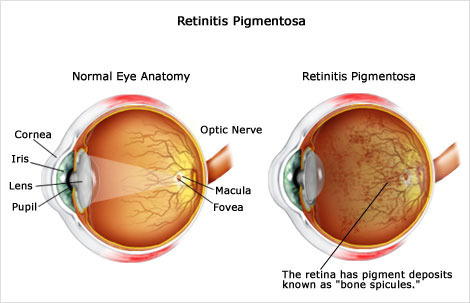
This is a genetic or inherited condition. Initially it manifests as night blindness.
As the disease progresses there may be a tunnelling of vision with loss of peripheral vision followed by complete blindness.
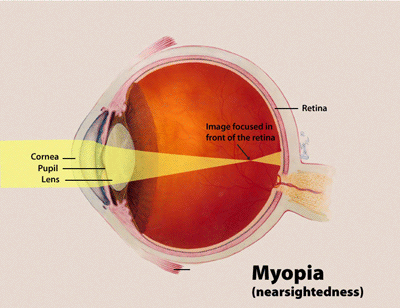
Myopia or near sightedness or short sightedness means a person can see nearby objects clearly but distant objects appear blurred. High myopia may lead to vision impairment.
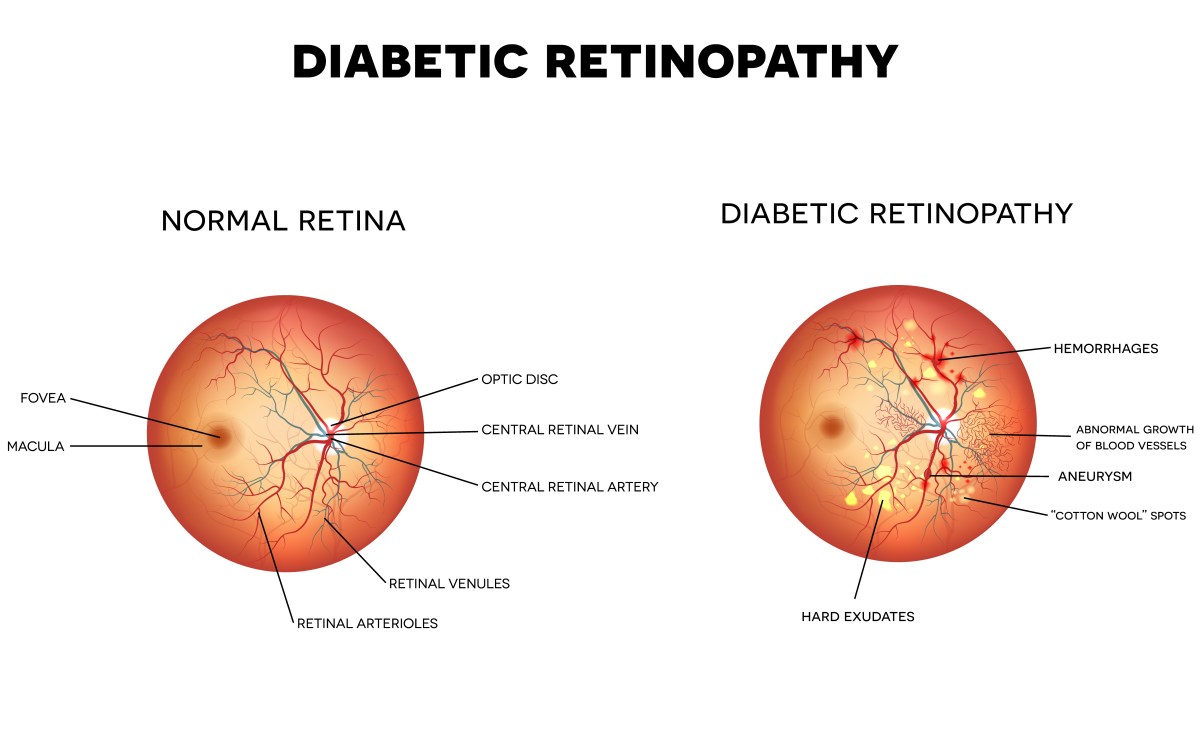
Diabetes leads to damage of the smaller arteries and blood vessels at the back of the eyes over the retina.
Diabetic retinopathy is the most common diabetic eye disease and a leading cause of blindness in adults.
Usually vision impairment in diabetics begins as black spots or floating shapes that appear in the field of vision. Slowly complete vision may be lost if left unchecked.
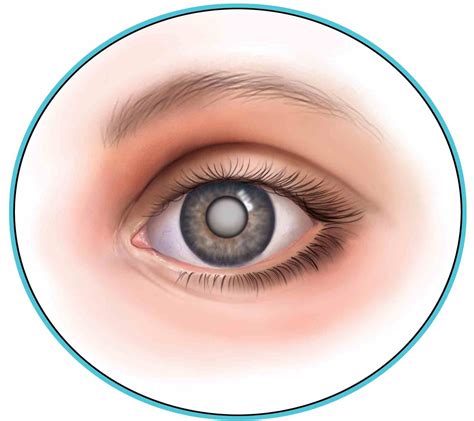
There is general clouding of the vision. As the whole eye lens is affected the blurring of vision may be diffuse until it is totally lost.
There may be other symptoms like photophobia – inability to see the light; diplopia – double vision etc. Cataracts are very common in older people.
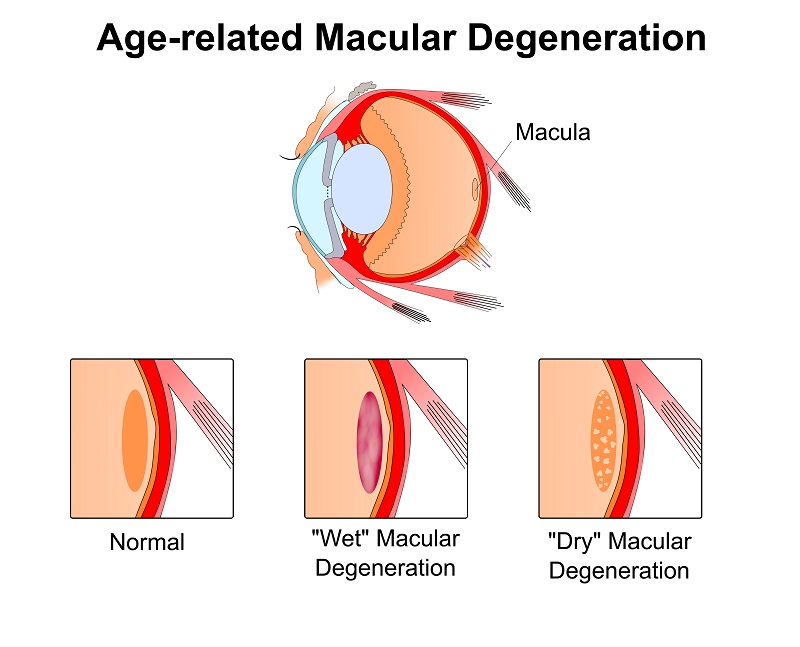
A central area of woolly or cottony opacity obscures the central part of the vision.
The peripheries may be normally seen. AMD usually blurs the sharp, central vision that is needed for closely viewed activities like reading, sewing, and driving. This is a painless condition.
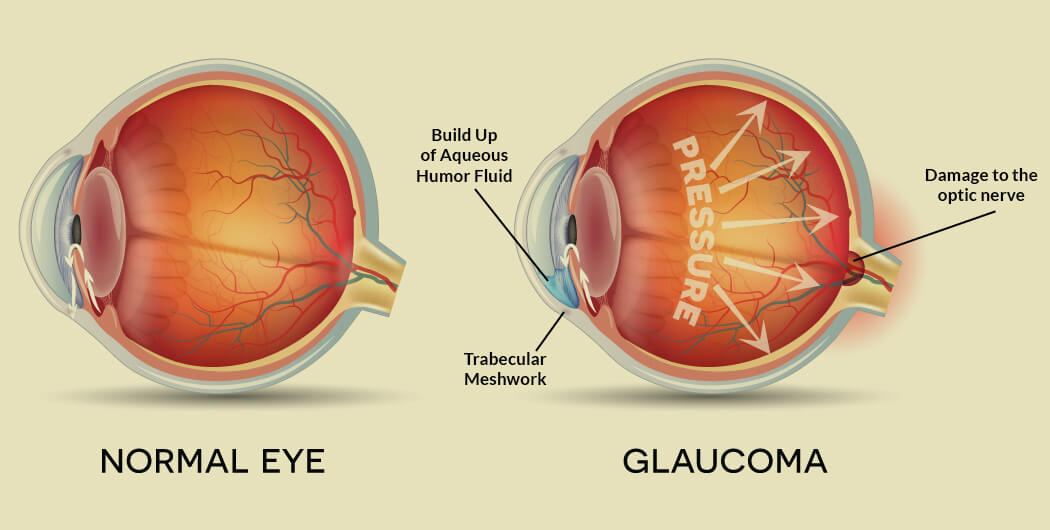
This condition is due to the rise of normal fluid pressure inside the eyes. The type of vision is usually like a tunnel.
The intact vision remains in the center while progressively the peripheries start decreasing. The center of the tunnel reduces in size progressively till total vision is lost if left uncorrected.
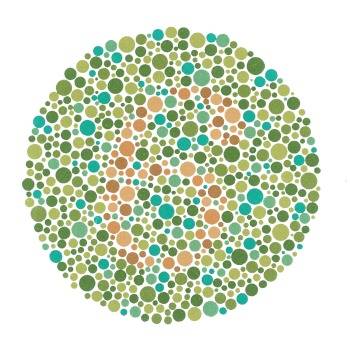
Color blindness, also known as color vision deficiency, is the decreased ability to see color or differences in color. Simple tasks such as selecting ripe fruit, choosing clothing, and reading traffic lights can be more challenging. Color blindness may also make some educational activities more difficult. However, problems are generally minor, and most people find that they can adapt. People with total color blindness (achromatopsia) may also have decreased visual acuity and be uncomfortable in bright environments.[